
Periodontal Treatment in Downtown Vancouver
Periodontal Treatment Near You
Bleeding gums, persistent bad breath, or tenderness around the gumline can be signs that plaque and tartar have built up below the surface. At Terminal City Dental, we provide periodontal treatment in Downtown Vancouver to manage gum inflammation and help protect the tissues that support your teeth.
Gum care may involve several appointments, especially when deeper cleaning or maintenance is needed. If you are looking for periodontal treatment near you, our downtown location makes treatment and follow-up visits easier to attend.
What Is Periodontal Treatment?
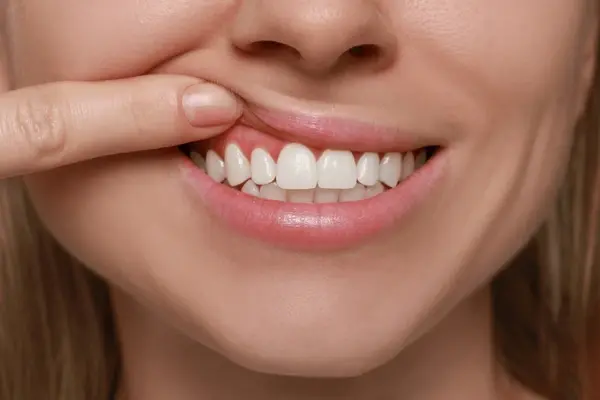
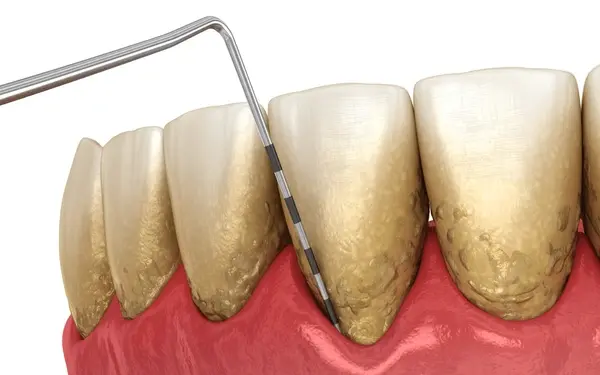
Periodontal treatment focuses on the gums, periodontal ligament, and bone that hold the teeth in place. It is used to manage gingivitis and periodontitis by reducing plaque, tartar, and bacteria around and below the gumline. Recommended care depends on gum pocket depth, inflammation, bone support, and other findings.
If you are looking for a dentist in Downtown Vancouver for periodontal treatment, our team can assess your gums, measure the spaces around your teeth, and explain which care may be appropriate.
When Might You Need Periodontal Treatment?
Consider arranging an examination if you notice:
Frequent bleeding
Your gums bleed during brushing or flossing.
Ongoing swelling
The gumline looks red, puffy, or tender.
Persistent bad breath
Odour or an unpleasant taste returns despite regular cleaning.
Gum recession
The gums appear to pull away from the teeth.
Loose teeth
One or more teeth feel less stable than before.
Chewing discomfort
Pressure around a tooth or the gums feels uncomfortable.
Deep gum pockets
A previous examination showed spaces that are difficult to clean at home.
Consider visiting a dentist near you for an examination to determine whether periodontal care is suitable for your needs.
What Are the Benefits of Periodontal Treatment?
Depending on the condition of your gums, treatment may:
Reduce inflammation
Removing buildup can help swollen or bleeding gums settle.
Clean below the gumline
Professional instruments reach areas that home care cannot.
Protect supporting tissues
Managing gum disease may help slow further loss of bone and attachment.
Improve daily comfort
Healthier gums may feel less tender during brushing, flossing, and eating.
Freshen the mouth
Reducing bacteria and trapped debris may improve bad breath.
Support monitoring
Maintenance visits allow us to track pocket depths and other changes.
We provide periodontal treatment near you to help you manage gum concerns and protect the foundation of your smile.
What to Expect During Periodontal Treatment
Your care plan will reflect the condition of your gums and the amount of buildup present. When providing periodontal treatment in Downtown Vancouver, we follow a careful process:
Reviewing your history
We discuss symptoms, medical conditions, medications, tobacco use, and previous gum care.
Examining your gums
We check for bleeding, swelling, recession, mobility, and buildup.
Measuring gum pockets
We record the spaces around the teeth.
Taking images when needed
Dental X-rays may help us assess supporting bone.
Cleaning affected areas
We remove plaque and tartar from above and below the gumline.
Reviewing home care
We demonstrate techniques and tools for more effective cleaning.
Planning maintenance
We recommend follow-up timing based on how your gums respond.
Local anaesthetic may be used when deeper cleaning is needed to help keep the area comfortable.
What to Expect After Your Visit
The gums may feel tender or sensitive for a short time after deeper cleaning. To support healing:
Follow our instructions
Use recommended rinses, cleaning tools, or medications as directed.
Brush gently
Continue cleaning while avoiding unnecessary pressure on tender areas.
Choose comfortable foods
Softer meals may feel better until sensitivity settles.
Avoid tobacco
Smoking and vaping can interfere with healing.
Monitor your symptoms
Contact us if pain, swelling, or bleeding becomes worse.
Keep follow-up visits
Periodontal disease can become active again without maintenance.
Why Choose Terminal City Dental for Periodontal Care?
At Terminal City Dental, we take gum symptoms seriously without making the experience feel alarming. We explain what we find, why it matters, and which changes may help.
When you choose our clinic for periodontal treatment in Downtown Vancouver, you can expect:
A detailed assessment
We evaluate the gums and supporting tissues.
Clear explanations
We discuss findings and treatment options in plain language.
A gentle approach
We work carefully around sensitive areas.
Individual recommendations
We tailor care to your gum health and risk factors.
Practical guidance
We suggest realistic ways to improve daily cleaning.
Consistent monitoring
We compare findings and adjust maintenance when needed.
Give Your Gums the Attention They Need
Bleeding, swelling, or gum recession should not be ignored when it continues. At Terminal City Dental, we offer periodontal treatment near you to help manage gum disease and support the tissues around your teeth.
Call us or visit us today to schedule a periodontal assessment.
FAQs
Can gum disease return after treatment?
Yes. Periodontal disease can become active again if plaque accumulates or risk factors are not controlled. Daily home care and maintenance visits remain important.
Will my gums grow back after they recede?
Receded gum tissue generally does not grow back on its own. Treatment may help control inflammation and limit further damage, while some cases may need additional procedures.
Can periodontal disease affect only one area of my mouth?
Yes. It may be more advanced around certain teeth because of local buildup, tooth position, previous dental work, or other factors.
Why are periodontal maintenance visits sometimes more frequent than routine cleanings?
Periodontal disease requires closer monitoring and cleaning around deeper pockets. The interval depends on your gum health and how quickly buildup returns.
Can I receive periodontal care if I have sensitive teeth?
Yes. Tell us where you feel sensitivity so we can adjust our approach. Local anaesthetic and other comfort measures may be used when appropriate.