
Tissue (Gum/Bone) Grafting in Downtown Vancouver
Tissue (Gum/Bone) Grafting Near You
Receding gums or loss of jawbone can weaken the support around your teeth and complicate future dental care. At Terminal City Dental, we provide tissue (gum/bone) grafting in Downtown Vancouver to rebuild areas where gum tissue or bone has been lost.
Grafting may involve several visits for planning, treatment, and follow-up. If you are looking for tissue (gum/bone) grafting near you, our downtown location makes it easier to receive care without travelling far from home or work.
What Is Tissue (Gum/Bone) Grafting?
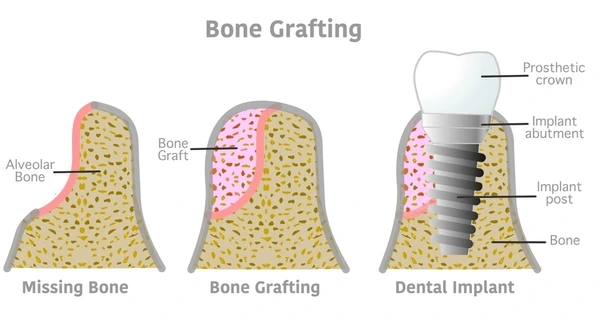
Tissue grafting adds or repositions gum tissue or bone in an area that needs more support. A gum graft may cover an exposed tooth root or thicken thin tissue, while a bone graft may rebuild part of the jaw where bone volume has decreased. The recommended approach depends on the location and extent of tissue loss.
If you are looking for a dentist in Downtown Vancouver for tissue grafting, our team can examine your gums, teeth, and jawbone and explain whether a graft may be appropriate.
What Types of Tissue Grafting Do We Offer?
At Terminal City Dental, we offer the following options for tissue (gum/bone) grafting in Downtown Vancouver:
Gum grafting
Adds or repositions soft tissue to cover exposed roots, strengthen thin gums, or improve support around a tooth.
Bone grafting
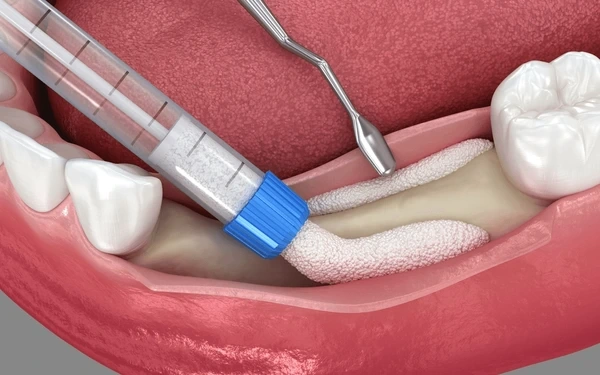
Places grafting material where jawbone volume has been lost or additional support may be needed.
The type of graft and material used will depend on your oral health, treatment goals, and the condition of the area.
When Might You Need Tissue Grafting?
A graft may be considered when you have:
Receding gums
The gumline has moved away from the tooth.
Exposed roots
Part of a tooth root is visible or sensitive.
Thin gum tissue
The gums provide limited coverage or support.
Jawbone loss
Bone volume has decreased after tooth loss, infection, or gum disease.
A planned implant
More bone may be needed to support implant placement.
An extraction site
Grafting may help preserve bone after a tooth is removed.
Consider visiting a dentist near you for an examination to determine whether gum or bone grafting is suitable for your needs.
What Are the Benefits of Tissue Grafting?
Protects exposed roots
Added gum coverage can reduce root sensitivity and vulnerability.
Strengthens tissue support
Thicker gums may be more resistant to further recession.
Rebuilds lost bone
A bone graft can restore volume where the jaw has changed.
Supports future treatment
Grafting may prepare a site for an implant or restoration.
Improves gumline balance
Soft-tissue grafting may create a more even appearance.
Preserves oral structures
Timely care may help protect nearby teeth and tissues.
We provide tissue (gum/bone) grafting near you to restore support in areas affected by gum recession or bone loss.
What to Expect During the Grafting Process
The procedure varies according to whether gum tissue, bone, or both require treatment. When providing tissue (gum/bone) grafting in Downtown Vancouver, we follow a careful process:
Initial assessment
We review your health history, medications, symptoms, and concerns.
Clinical examination
We evaluate the gums, teeth, bite, and affected area.
Diagnostic imaging
We may take dental images to assess the available bone.
Treatment planning
We explain the graft, material, alternatives, risks, and expected healing time.
Comfort preparation
We numb the area and discuss additional comfort options when appropriate.
Graft placement
We position the selected tissue or material and secure the site.
Follow-up care
We provide instructions and monitor healing during later visits.
How to Care for the Grafted Area
Protecting the site during early healing can help the graft remain stable:
Avoid disturbing the area
Do not pull on your lip or cheek to inspect the graft.
Follow your cleaning instructions
Brush and rinse only as directed around the site.
Eat soft foods
Avoid chewing on the treated side.
Limit physical strain
Avoid strenuous exercise for the recommended period.
Use medication correctly
Take prescribed or recommended medication only as directed.
Avoid smoking and vaping
These habits can interfere with healing.
Report concerning symptoms
Contact us if bleeding, swelling, or pain worsens.
Why Choose Terminal City Dental for Tissue Grafting?
At Terminal City Dental, we understand that grafting can sound intimidating. We explain why it is being considered and give you time to review your options.
When you visit our clinic for tissue grafting, you can expect:
Clear explanations
We discuss the purpose, limitations, and expected outcome.
Individual planning
We tailor recommendations to your oral health and future needs.
A gentle approach
We work carefully and respond to your comfort.
Ongoing guidance
We remain available to answer questions during recovery.
Restore Support Around Your Teeth
Gum recession and bone loss should be assessed before they progress. At Terminal City Dental, we offer tissue (gum/bone) grafting near you to rebuild support and prepare your mouth for future care when needed.
Call us or visit us today to schedule a consultation.
FAQs
Can gum tissue grow back without a graft?
Receded gums generally do not grow back on their own. Changes in home care or other treatment may slow further recession, but a graft may be needed when more coverage or tissue thickness is required.
Can bone grafting and implant placement happen at the same appointment?
Sometimes they can be completed together. In other cases, the graft must heal first. The timing depends on the amount of available bone and the stability needed.
Where does grafting material come from?
Material may come from your own tissue, processed donor tissue, animal-derived material, or synthetic material. We will explain which options are suitable for the planned procedure.
Will a gum graft change the appearance of my smile?
It may change the gumline by covering part of an exposed root or adding thickness to a thin area. The expected appearance depends on the location and treatment goal.
What factors can slow healing after grafting?
Smoking, vaping, poor plaque control, certain health conditions, some medications, and pressure on the site may interfere with healing. Following your instructions and attending follow-up visits are important.