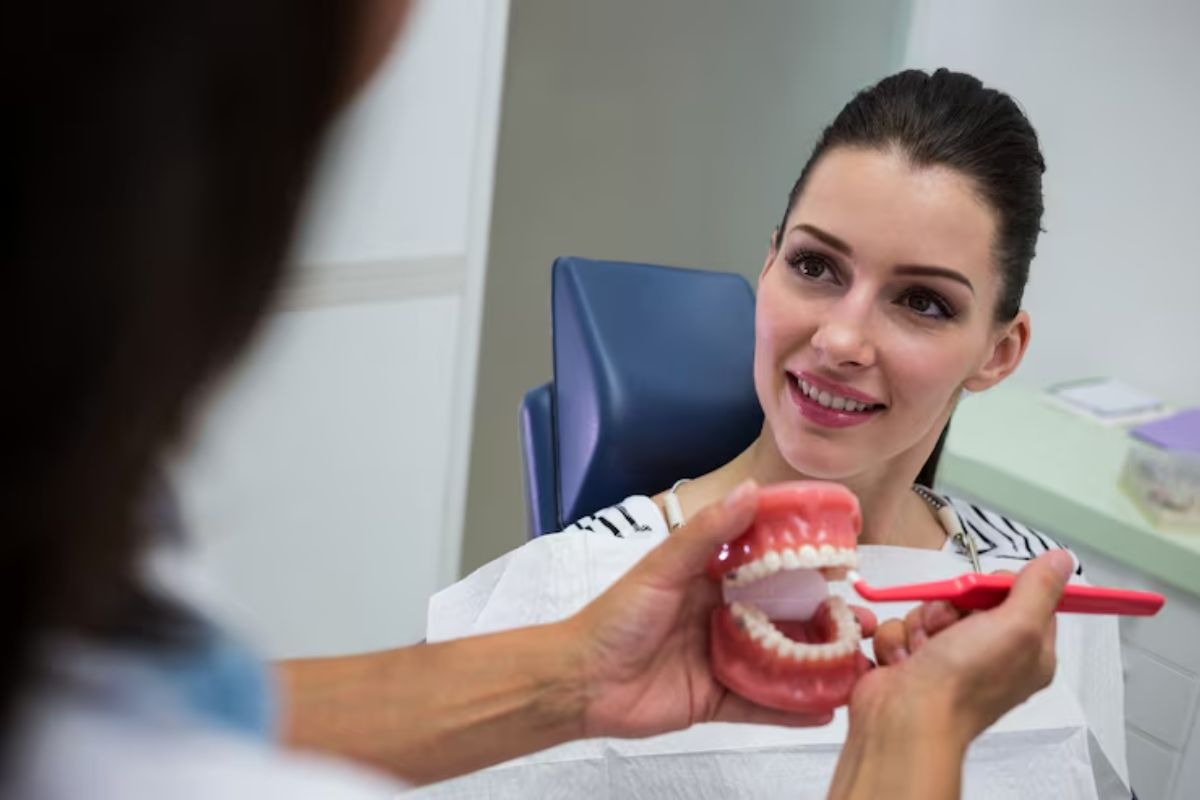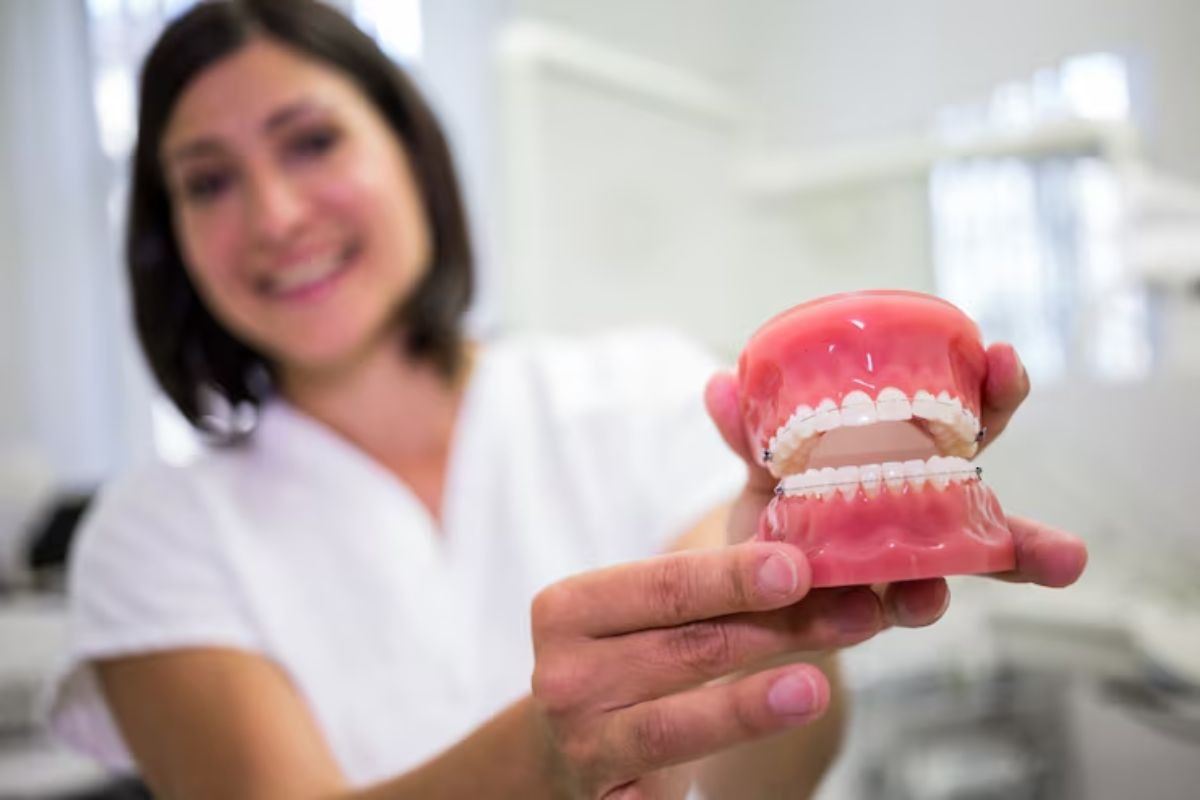
Removable dental appliances called dentures can replace several missing teeth or an entire set of teeth. Dentures for missing teeth are made to fit the shape of your mouth and can help with everyday activities such as eating and speaking. Missing teeth may make it harder to chew certain foods and can change the appearance of your smile. Dentures can fill these spaces while also supporting the shape of your cheeks and lips. The type of denture that may suit you depends on how many teeth are missing and the condition of the teeth that remain.
Understanding how dentures work, what types are available, and how to care for them can help you know what to expect before choosing this form of tooth replacement.
What Are Dentures?
Dentures are removable replacements for missing teeth. They are made from dental materials designed to fit comfortably over the gums and replace the teeth that are no longer present.
There are two main types:
- Complete dentures: Restore all the teeth in the upper or lower jaw.
- Partial dentures: Fill the spaces left by some missing teeth while fitting around the natural teeth you still have.
A dental assessment helps determine which type may be suitable for your mouth.
How Do Dentures Replace Missing Teeth?
If you are considering dentures, it helps to understand how they restore missing teeth. Dentures sit over the gums and replace the visible parts of missing teeth. Partial dentures may also use the remaining natural teeth for support.
Dentures can help you:
- Chew food more easily.
- Speak more clearly
- Fill visible gaps in your smile.
- Support the shape of your cheeks and lips.
- Restore a more complete-looking smile.
The fit of the denture is important because it affects how well it stays in place during daily activities.
How Do Dentures Work for Missing Teeth?
The answer to how dentures work for missing teeth depends on the type of denture being used. Complete dentures rest over the gums when all teeth in one jaw are missing. Partial dentures fill selected gaps and are designed to fit around the natural teeth that remain.
As you chew, the denture helps replace some of the function provided by natural teeth. However, dentures do not work exactly like natural teeth. Certain foods may be easier to eat than others, especially while you are getting used to a new denture.
What Can You Expect When Wearing Dentures?
Getting used to dentures can take some time. Your mouth may need to adjust to the new appliance, and eating and speaking may feel different at first.
During the adjustment period, you may notice:
- Mild gum tenderness
- Changes in how certain words feel
- More awareness of the denture in your mouth
- Difficulty with some foods
- A need for small fit adjustments
If a denture feels painful, slips often, or causes repeated sore spots, a dental assessment can help identify whether an adjustment is needed.
How Should You Care for Your Dentures?
Good denture care helps keep your dentures clean and your mouth healthy. Even if you no longer have natural teeth, your gums and mouth still need regular care.
Helpful habits include:
- Clean your dentures as your dentist recommends.
- Rinse them after meals when possible.
- Clean your gums, tongue, and any remaining natural teeth.
- Keep your dentures in a safe place when you are not wearing them.
- Use the cleaning products recommended for your dentures.
- Visit your dentist for regular checkups.
A dentist in Downtown Vancouver can check your dentures, make sure they fit well, and check the health of your mouth during regular visits.
Are Dentures Right for Every Person With Missing Teeth?
Dentures can be a useful option, but they are not automatically the best choice for every person with missing teeth. The right approach depends on your oral health, the number of missing teeth, the condition of your gums, and the health of any remaining teeth.
If you are searching for a dentist near you, a dental examination can help you understand whether complete or partial dentures may suit your needs. Other tooth replacement options may also be discussed when appropriate.
Take the Next Step Toward Replacing Missing Teeth!
Choosing dentures involves more than filling gaps in your smile. The number of missing teeth, your remaining teeth, gum health, and the way you want your replacement teeth to function all matter. A dental assessment can help you understand your choices and what type of denture may be suitable for your needs.
Book an appointment with Terminal City Dental to discuss your missing teeth and learn more about your denture options.
FAQs:
Can dentures replace all missing teeth?
Yes. Complete dentures can replace all teeth in the upper or lower jaw. The appropriate type depends on which teeth are missing and the condition of your mouth.
Can you eat normally with dentures?
Dentures can help you chew, but eating may feel different from using natural teeth. Starting with softer foods and gradually trying firmer foods can make the adjustment easier.
Do dentures stay in place while talking?
A well-fitted denture should stay in place during normal talking. Some movement may still happen. If your denture often slips or feels loose, your dentist can check the fit and adjust it if needed.
How long does it take to get used to new dentures?
The adjustment period varies. Eating, speaking, and wearing the denture may feel unusual at first, but these activities generally become more familiar as you use the appliance.