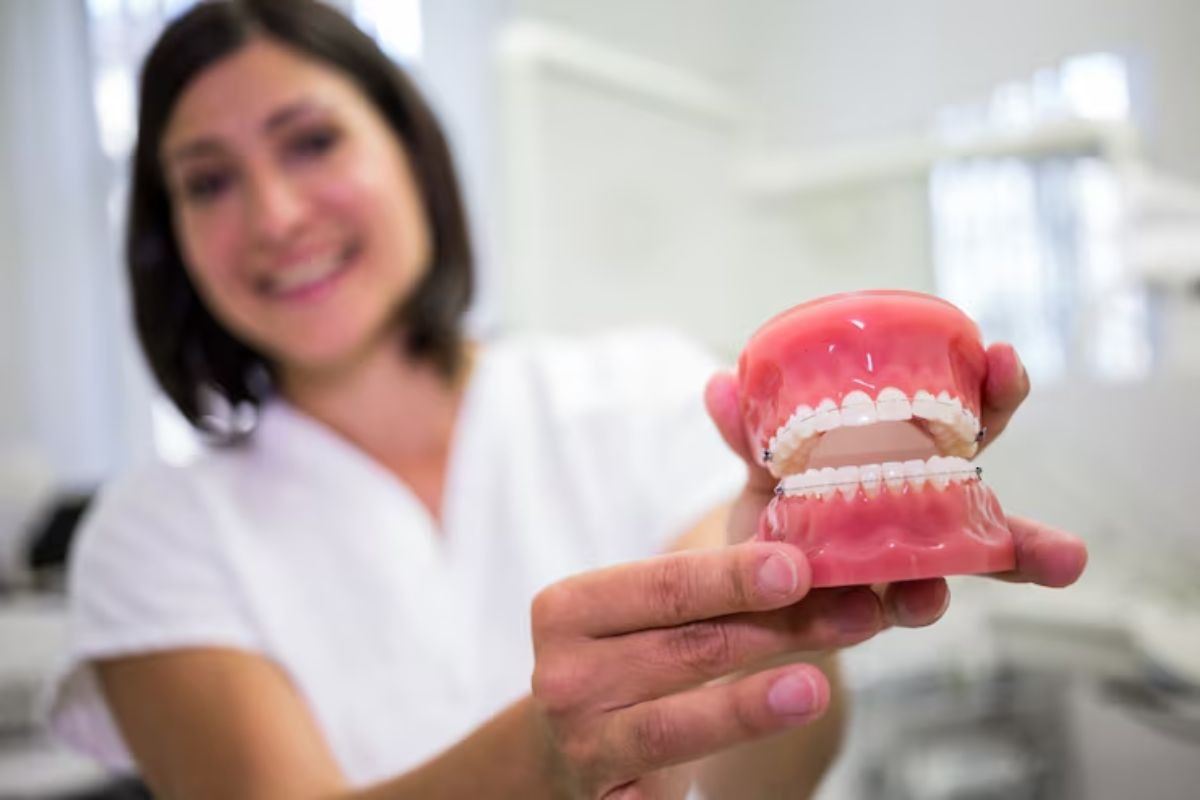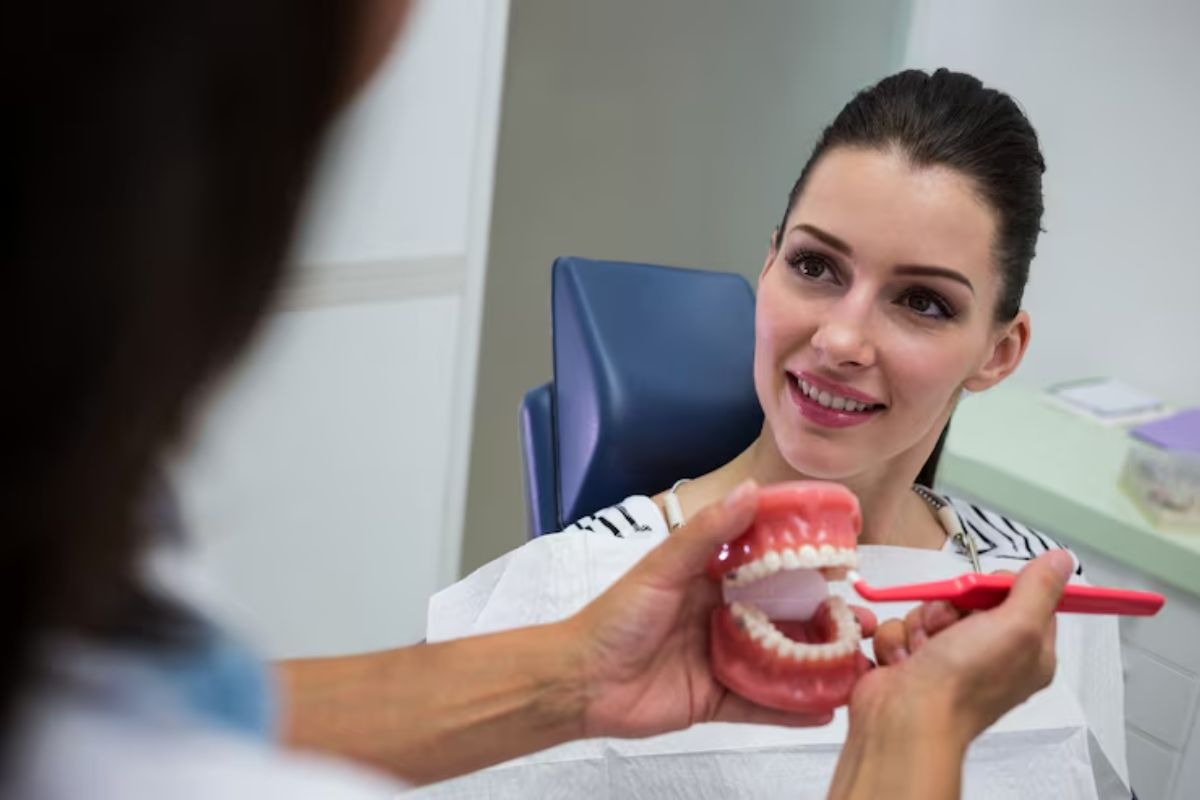
Missing teeth can make eating, speaking, and smiling less comfortable. Dental bridges can fill the gap left by one or more missing teeth. Dental bridges in downtown Vancouver are fixed dental restorations that replace missing teeth and help restore normal mouth function. A bridge usually has one or more artificial teeth that are supported by nearby natural teeth or dental implants. The best type of bridge depends on where the tooth is missing, the health of the nearby teeth, and your overall oral health.
Understanding how a bridge works, what the treatment involves, and how to care for it can help you know what to expect before choosing this tooth replacement option.
How Dental Bridges Work?
A dental bridge fills the gap created by a missing tooth. The replacement tooth sits in the space and is supported by nearby teeth or implants.
Depending on the type of bridge, the support may come from:
- Crowns placed over nearby teeth
- A dental implant supporting the bridge
- A tooth on one side of the gap in certain bridge designs
The bridge is made to fit the shape of the mouth and match the surrounding teeth as closely as possible.
What Happens During a Dental Bridge Procedure?
The treatment process depends on the type of bridge being used. For a traditional bridge, the supporting teeth may need to be prepared so the bridge can fit securely.
The process may include:
- Dental examination: The dentist checks your teeth, gums, and the gap left by the missing tooth.
- Treatment planning: The dentist discusses the best type and design of bridge for you.
- Tooth preparation: Nearby teeth may be shaped to support the bridge, if needed.
- Impressions or scans: These help create a bridge that fits the mouth.
- Temporary bridge: A temporary restoration may be placed while the final bridge is being made.
- Final placement: The finished bridge is checked for fit, appearance, and bite before being secured.
What Are the Benefits of Dental Bridges?
A dental bridge can do more than fill a visible gap. Replacing a missing tooth may help support everyday mouth function and make the smile feel more complete.
Potential benefits include:
- Helping restore chewing ability
- Supporting clearer speech
- Filling a visible space in the smile
- Helping keep nearby teeth from shifting into the gap
- Providing a fixed replacement that does not need to be removed for daily use
The benefits can vary based on the condition of the teeth, gums, and supporting structures.
Who May Need a Dental Bridge?
A dental bridge may be considered when one or more teeth are missing, and the surrounding teeth or implants can provide suitable support. A dental assessment is important because not every missing tooth is best replaced with the same treatment.
Regular care with a dentist in downtown Vancouver can help determine whether a bridge may be suitable and whether other replacement options should also be considered.
Factors that may affect treatment include:
- The number and location of missing teeth
- The strength of nearby teeth
- Gum health
- Jawbone condition when implants are involved
- Overall oral hygiene
How Long Can a Dental Bridge Last?
A bridge does not last forever. How long it lasts can depend on the material, how well it fits, your oral care, your eating habits, and the health of the teeth or implants supporting it.
Taking good care of your bridge is important. Brush your teeth twice a day and clean around and under the bridge. Special flossing tools can help clean areas that a toothbrush cannot reach. Regular dental visits can also help your dentist find any problems with the bridge or supporting teeth early.
What Should You Know Before Getting a Dental Bridge?
A bridge can be a useful way to replace a missing tooth, but the right option depends on individual dental needs. An examination can help check whether the supporting teeth and gums are healthy enough for the planned restoration.
When looking for a dentist near you, consider a dental office that clearly explains the treatment, expected care, and available tooth replacement options. Knowing what to expect can make the decision easier.
Explore the Right Option for Your Missing Tooth!
A missing tooth can affect how you chew, speak, and feel about your smile. The right replacement option depends on your oral health, the location of the missing tooth, and the condition of the surrounding teeth.
Book an appointment with Terminal City Dental to have your smile assessed, learn whether a dental bridge may be right for you, and discuss treatment options that meet your needs.
FAQs
Is getting a dental bridge painful?
The area may feel sensitive after treatment, especially if nearby teeth were prepared. Some mild discomfort may happen, but it should be manageable. If the pain is severe or does not go away, a dentist should check it.
Can a dental bridge replace more than one tooth?
Yes, certain bridge designs can replace more than one missing tooth when the surrounding teeth or implants provide enough support.
Can you eat normally with a dental bridge?
A dental bridge is designed to help restore chewing function. Some foods may feel different at first, so it can help to start with softer foods as you get used to the restoration.
How should a dental bridge be cleaned?
Brush the bridge and surrounding teeth twice a day. Cleaning under the bridge is also important because food and plaque can collect around the replacement tooth.