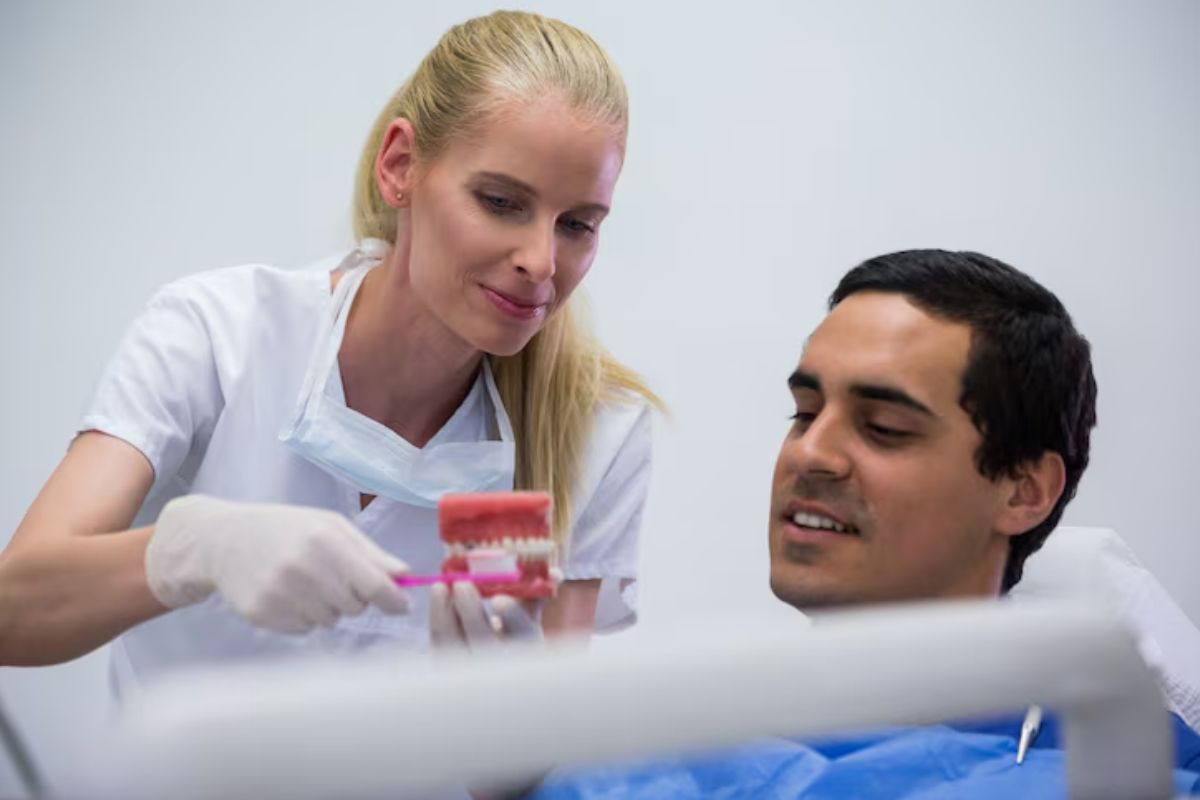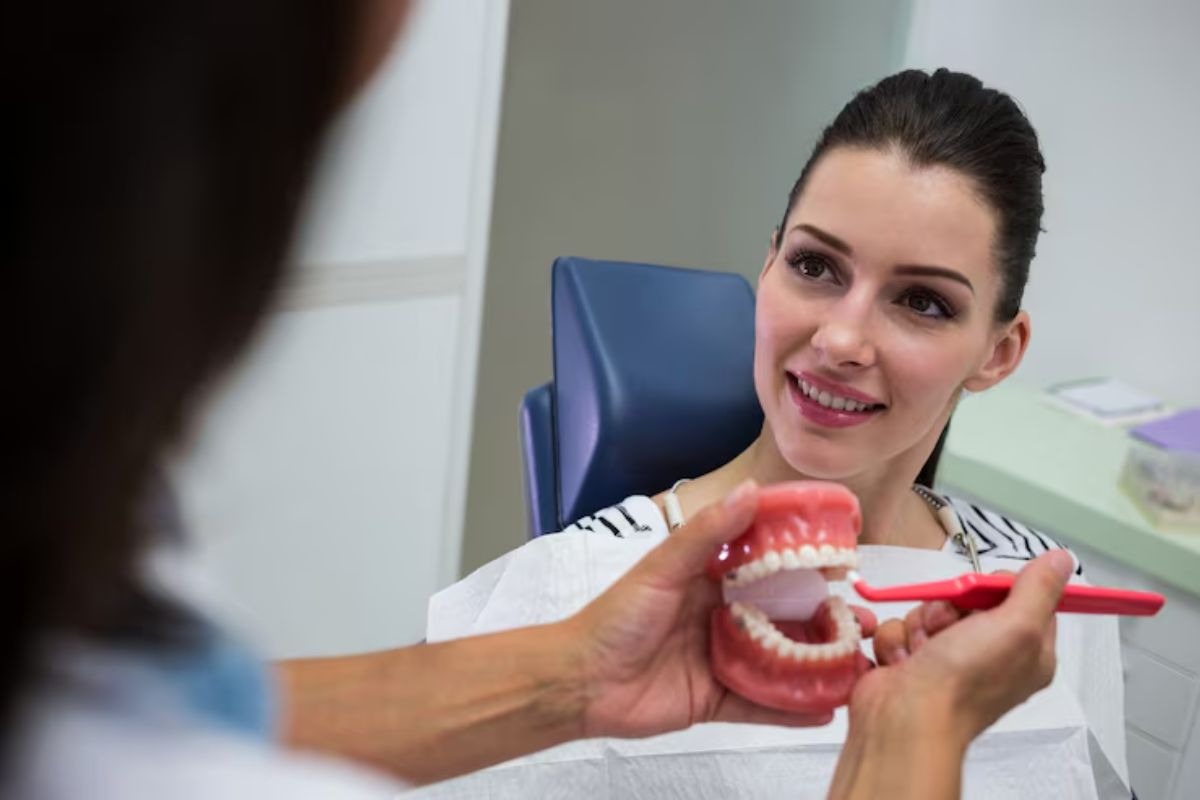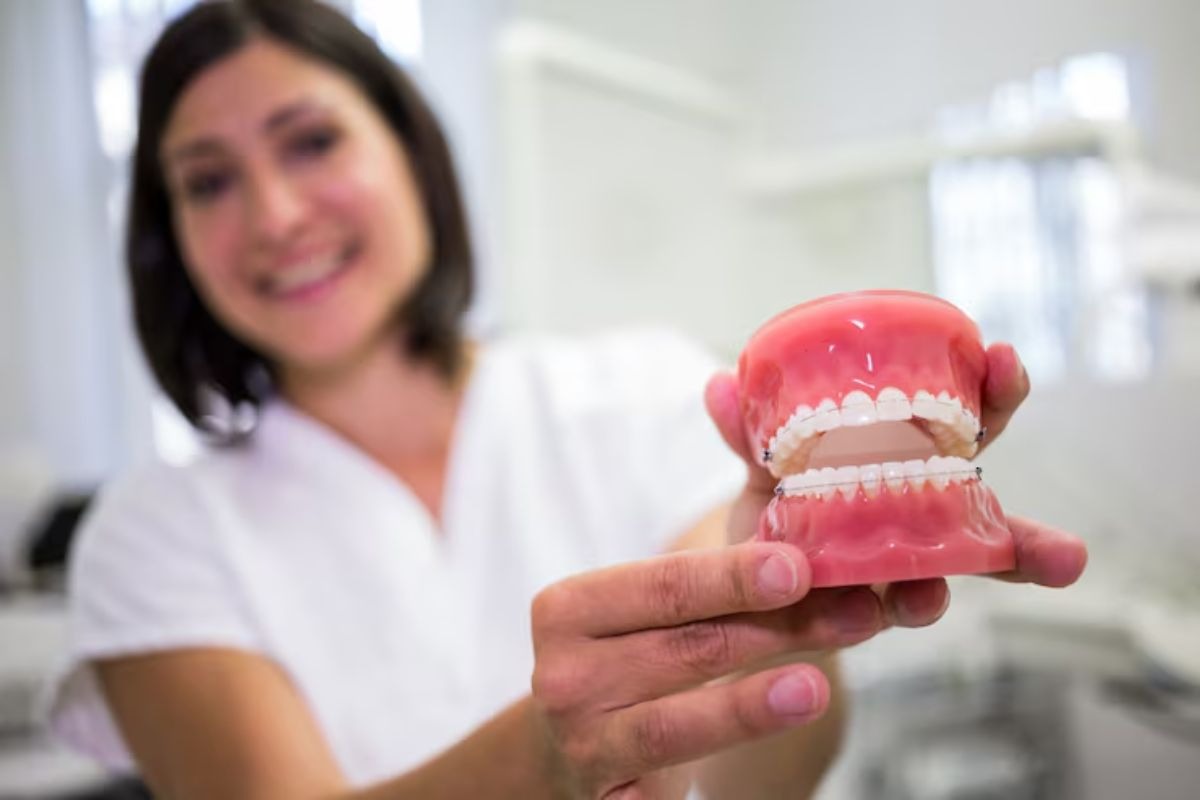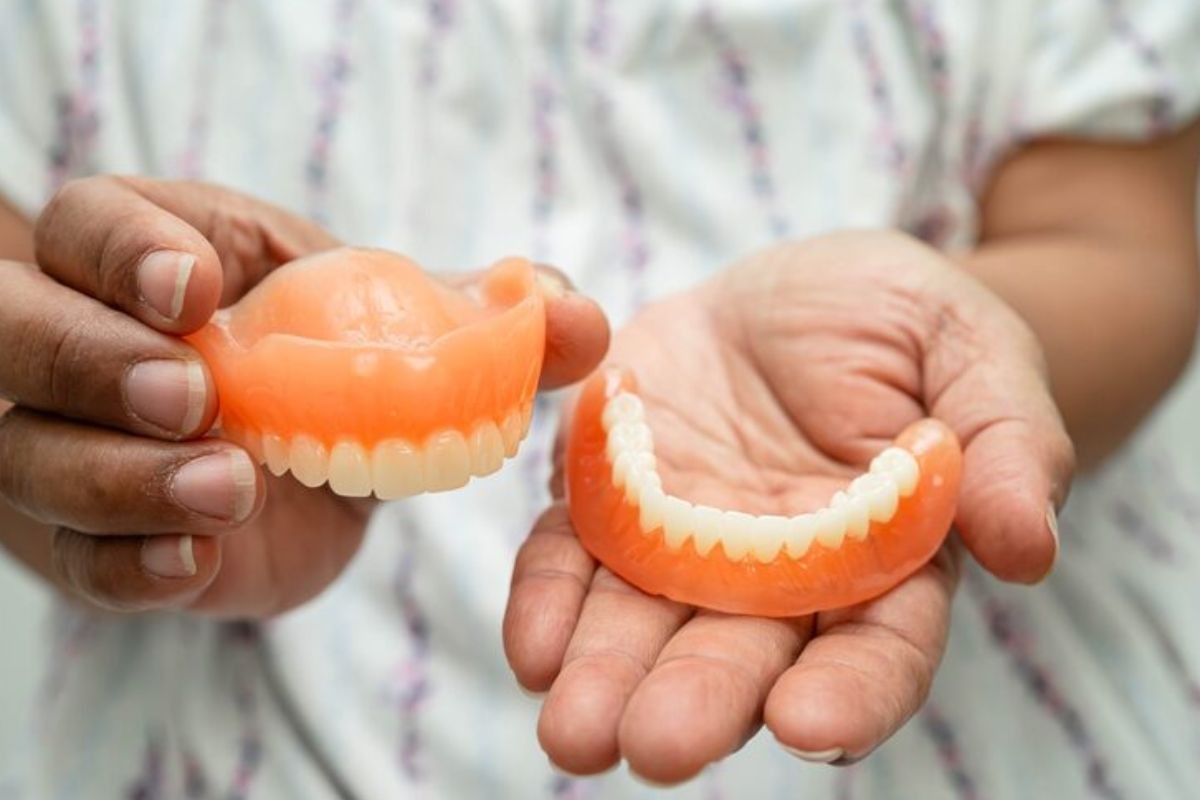
Dentures are removable replacements for some or all missing teeth. They help you chew food, speak clearly, and improve your smile. Partial dentures replace a few missing teeth, while full dentures replace all teeth. Getting dentures also involves checking the fit, making changes if needed, and learning how to care for them. Missing teeth can make eating and speaking harder. Dentures help fill these gaps and make daily tasks easier. Dentures may be a good option if you want to replace missing teeth. The right type depends on how many natural teeth you have, your gum health, and your needs.
What Are the Different Types of Dentures?
Dentures are made to replace missing teeth and rest on the gums or attach to remaining teeth, depending on their design. The two main types are partial and complete dentures.
- Partial dentures: Replace one or more missing teeth when some natural teeth remain. They help fill gaps and may use clasps or other supports to stay in place.
- Complete dentures: Replace all teeth in the upper jaw, lower jaw, or both.
- Implant-supported dentures: Attach to dental implants placed in the jawbone. They can offer added stability compared with dentures that rest only on the gums.
A dental assessment helps determine which option may work for your mouth and daily needs.
How Can Dentures Replace Missing Teeth?
Dentures fill the spaces left by missing teeth with artificial teeth shaped to support chewing and speech. They can also help support the lips and cheeks when several teeth are missing.
Here is how the process usually works:
- Oral examination: The teeth, gums, and jaw are checked to help choose a suitable denture.
- Measurements and impressions: Records of the mouth are taken so the denture can be made to fit.
- Denture design: The shape, size, and position of the replacement teeth are planned.
- Fitting appointment: The denture is placed and checked for comfort, fit, and bite.
- Adjustments: Follow-up visits with a dentist near you help correct sore spots or areas where the denture feels loose.
The number of visits varies depending on the type of denture and whether any other dental care is needed first.
What Are the Benefits of Dentures?
Dentures for replacing missing teeth can support several everyday functions while helping restore the look of your smile.
Common benefits include:
- Better chewing: Dentures can make it easier to eat a wider range of foods, although some foods may still need extra care.
- Clearer speech: Replacing missing teeth may help with sounds that were difficult to pronounce.
- Support for facial features: Dentures can help support the lips and cheeks when teeth are missing.
- A more complete smile: Artificial teeth fill gaps and can be shaped to suit your mouth.
- Flexible options: Partial and complete dentures can be selected based on how many teeth need to be replaced.
Getting used to dentures takes time. Eating soft foods at first and practising speaking can help make the adjustment easier.
How Do You Care for Dentures?
Daily cleaning helps remove food, plaque, and stains from dentures. Good care also supports the health of the gums and any remaining natural teeth.
Follow these simple tips:
- Clean your dentures every day with a denture brush and a suitable cleaner.
- Remove your dentures as advised, often at night, to let your gums rest.
- Hold your dentures over a soft towel or a sink filled with water to help prevent breakage if you drop them.
- Clean your gums, tongue, and remaining teeth daily.
- Keep dental checkups so the fit and condition of the denture can be reviewed.
Avoid using hot water, which may change the shape of the denture. If it becomes loose or causes ongoing soreness, arrange an adjustment rather than trying to reshape it yourself.
When Should Dentures Be Checked or Adjusted?
Dentures may need adjustments as your mouth changes over time. Weight changes, natural changes in the gums and jaw, and normal wear can affect how they fit.
A dentist in downtown Vancouver can check for sore spots, looseness, damage, or changes in your bite. Do not ignore ongoing irritation, because poorly fitting dentures may cause sores and make eating uncomfortable. Avoid using household glue or making changes to the denture yourself.
Explore Denture Options for Everyday Comfort!
Missing teeth can affect how you smile, eat, and speak. Replacing them may help you feel more comfortable in daily life. Contact Terminal City Dental to book an assessment and learn about denture options that suit your needs. You can also ask about fitting, follow-up visits, and how to care for your dentures at home. This can help you choose an option that fits your daily life.
FAQs:
Are dentures uncomfortable at first?
You may have some soreness, extra saliva, or trouble speaking at first. These problems often get better with time and practice. If pain or rubbing continues, see your dentist.
Can dentures be worn all day?
Follow the wearing instructions provided for your denture. Many removable dentures are removed overnight to allow the gums to rest, unless your dental provider advises otherwise.
Do dentures need to be replaced?
Dentures may need repair, relining, or replacement as they wear or as your mouth shape changes. Regular dental visits help determine when an adjustment or replacement is needed.
Can you eat normally with dentures?
Dentures can help restore chewing, but getting used to them takes time. Start with soft foods, take small bites, and chew slowly on both sides of your mouth as comfortably as possible.