
Dental Crowns in Downtown Vancouver
Dental Crowns Near You
A cracked, worn, or heavily filled tooth can become uncomfortable and more vulnerable to further damage. At Terminal City Dental, we provide dental crowns in Downtown Vancouver to rebuild weakened teeth and restore a comfortable biting surface.
Crown treatment often involves more than one appointment, so a conveniently located clinic can make the process easier. If you are looking for dental crowns near you, our downtown team can assess the tooth and explain whether a crown is appropriate.
What Are Dental Crowns?
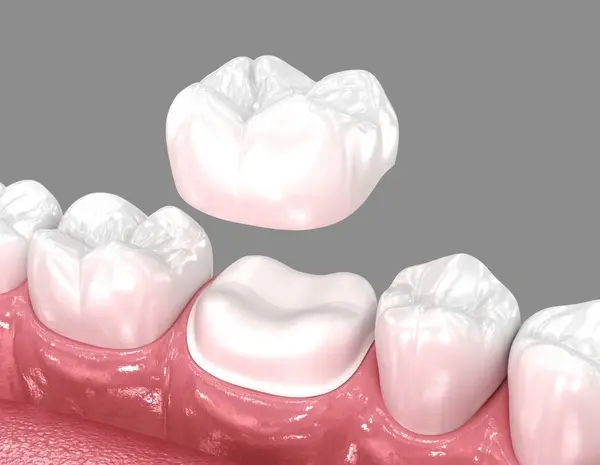
A dental crown is a custom-made restoration that covers the visible portion of a damaged or weakened tooth. It can restore the tooth’s shape, strength, colour, and function while protecting the natural structure underneath. Crowns may be recommended after significant decay, a large filling, a fracture, or root canal treatment.
If you are looking for a dentist in Downtown Vancouver for a dental crown, our team can examine the tooth and discuss the materials and treatment options that may suit your needs.
What Types of Dental Crowns Do We Offer?
At Terminal City Dental, we offer the following material options for dental crowns in Downtown Vancouver, depending on the tooth’s location and condition:
All-ceramic crowns
Resemble natural enamel and are often used where appearance is especially important.
Zirconia crowns
Provide strength along with a tooth-coloured appearance.
Metal-based crowns
Use metal or a combination of metal and porcelain when additional strength may be needed.
The right material depends on your bite, remaining tooth structure, aesthetic preferences, and other clinical factors.

When Might You Need a Dental Crown?
A crown may be considered when you have:
A large cavity
Too little healthy tooth remains to support a filling reliably.
A cracked tooth
The tooth needs coverage to reduce the risk of further breakage.
A weakened tooth
A large filling or extensive wear has reduced its strength.
A treated tooth
A tooth that has had root canal treatment requires added protection.
A worn or misshapen tooth
Its form affects appearance or function.
A damaged restoration
An older crown or large filling can no longer be repaired.
Consider visiting a dentist near you for an examination to determine whether a crown is suitable for your tooth.
What Are the Benefits of Dental Crowns?
Depending on the condition of the tooth, a crown may:
Reinforce weakened structure
Full coverage can help protect a tooth that may otherwise break.
Restore chewing
Rebuilding the tooth’s shape may make biting more comfortable.
Cover visible damage
A crown can improve the appearance of discolouration, wear, or fractures.
Support previous treatment
It can protect a tooth after root canal care or a large filling.
Improve the bite
Careful shaping can help the tooth meet the opposing teeth properly.
Preserve the natural tooth
A crown may keep a damaged tooth functional.
We provide dental crowns near you to restore damaged teeth and support comfortable daily function.
What to Expect During the Dental Crown Process
The crown placement process often takes two visits. When providing dental crowns in Downtown Vancouver, we follow these steps:
Examining the tooth
We assess the tooth, gums, bite, and surrounding structures.
Taking dental images
We may use X-rays to check the roots and bone when needed.
Preparing the area
We numb the tooth, remove damaged tissue, and shape it for the crown.
Capturing the shape
We take a scan or impression for the final restoration.
Placing a temporary crown
We protect the prepared tooth while the permanent crown is made.
Checking the final crown
We assess its fit, colour, shape, and contact with nearby teeth.
Securing the restoration
We make any needed adjustments before bonding or cementing it in place.
How to Care for a Dental Crown
A crown needs the same consistent care as the rest of your mouth:
Brush twice daily
Clean around the crown and gumline with a soft-bristled toothbrush.
Floss every day
Remove plaque from the sides of the crowned tooth.
Avoid hard objects
Do not chew ice, pens, fingernails, or other items that may crack the restoration.
Protect against grinding
Wear a nightguard if one has been recommended.
Attend regular visits
Let us monitor the crown, supporting tooth, and surrounding gums.
Report changes
Contact us if the crown feels loose, painful, rough, or different when you bite.
Why Choose Terminal City Dental for Dental Crowns?
At Terminal City Dental, we explain why a crown is being considered and give you time to understand the alternatives.
When you visit our clinic for crown treatment, you can expect:
Careful recommendations
We assess whether the tooth can be restored before suggesting a crown.
Clear explanations
We discuss materials, limitations, expected lifespan, and costs.
Individual planning
We consider your bite, smile, health history, and goals.
A gentle approach
We work at a steady pace and respond to sensitivity or anxiety.
Natural-looking results
We aim to match the restoration with the surrounding teeth.
Continued support
We check the crown during future visits and help you care for it.
Restore and Protect a Damaged Tooth
A weakened tooth may continue to break down if left untreated. At Terminal City Dental, we offer dental crowns near youto protect suitable teeth and restore their shape and function.
Call us or visit us today to schedule a dental crown consultation.
FAQs
Can a crowned tooth still develop a cavity?
Yes. The crown itself cannot decay, but the natural tooth can still develop a cavity near the crown’s edge. Daily brushing, flossing, and regular examinations remain important.
What should I do if my temporary crown comes off?
Contact us as soon as possible. Keep the crown if you can, avoid chewing on that side, and do not try to glue it back with household products.
Can I eat normally with a permanent crown?
Usually, yes. Once the crown is secure and the numbness has worn off, you can gradually return to your normal diet. Avoid biting very hard objects.
Why does my crowned tooth feel sensitive?
Temporary sensitivity can occur after preparation, especially near the gumline or with temperature changes. Contact us if it is severe, lasts longer than expected, or becomes worse.
Can an old dental crown be replaced?
Yes. Replacement may be needed if a crown becomes loose, cracked, worn, or no longer fits properly. The tooth underneath must be examined first.