
TMJ Treatments in Downtown Vancouver
TMJ Treatments Near You
Jaw pain, stiffness, or frequent headaches can make everyday activities such as eating and speaking uncomfortable. At Terminal City Dental, we provide TMJ treatments in Downtown Vancouver to help manage symptoms affecting the jaw joints and surrounding muscles.
Our central location makes assessments and follow-up visits easier to fit around work and other commitments. If you are looking for TMJ treatments near you, our team can evaluate your symptoms and discuss practical options without requiring a long trip for care.

What Are TMJ Treatments?
The temporomandibular joints connect the lower jaw to the skull and allow the mouth to open, close, and move from side to side. Problems involving these joints, the chewing muscles, or both are often called temporomandibular disorders. Symptoms may develop after an injury, from clenching or grinding, or for reasons that are not always clear.
If you are looking for a dentist in Downtown Vancouver for TMJ care, our team can examine your jaw movement, bite, teeth, and facial muscles to help identify possible sources of discomfort.
What Types of TMJ Treatments Do We Offer?
At Terminal City Dental, we may recommend the following options for TMJ treatments in Downtown Vancouver, depending on your symptoms and examination:
Self-care guidance
We may suggest temporary changes to eating habits, jaw use, and daily routines.
Custom oral appliances
A fitted appliance may protect the teeth from grinding and reduce strain for some patients.
Jaw exercises
Gentle movements may help improve mobility and ease muscle tension when appropriate.
Symptom monitoring
We may track changes over time before recommending further care.
Additional assessment
More complex or persistent symptoms may require further evaluation.
Treatment depends on the likely cause of your symptoms, and no single option is suitable for everyone.
When Might You Need TMJ Treatment?
Consider arranging an assessment if you have:
Ongoing jaw pain
Aching or tenderness around the jaw, face, or ears
Limited jaw movement
Difficulty opening or closing your mouth fully
Painful chewing
Discomfort when eating or speaking
Jaw locking
A jaw that becomes temporarily stuck
Frequent headaches
Morning headaches or facial tension linked with clenching
Tooth wear
Flattened, chipped, or sensitive teeth associated with grinding
Painful joint sounds
Clicking or popping accompanied by tenderness or restricted movement
Consider visiting a dentist near you for an examination to find out which approach may be appropriate for your symptoms.
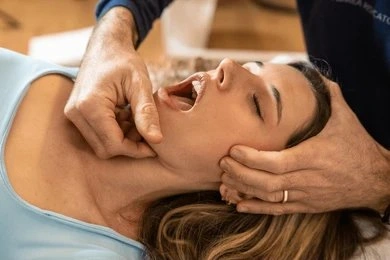
What Are the Benefits of TMJ Treatment?
Depending on the cause and recommended care, treatment may:
Reduce discomfort
Managing muscle or joint strain may ease jaw and facial pain.
Improve movement
Appropriate care may make opening and closing the mouth easier.
Protect the teeth
An oral appliance may reduce damage caused by grinding or clenching.
Support daily function
Less discomfort can make chewing and speaking more manageable.
Identify contributing factors
An assessment may reveal habits or conditions affecting the jaw.
Guide further care
Monitoring helps determine whether additional evaluation is needed.
We provide TMJ treatments near you to help you manage jaw symptoms and receive appropriate care in a convenient location.
What to Expect During a TMJ Assessment
Jaw symptoms can have several causes, so a careful evaluation is important. When providing TMJ treatments in Downtown Vancouver, we follow a structured process to understand your concerns and discuss suitable care:
Reviewing your symptoms
We ask when the discomfort began and what makes it better or worse.
Discussing your history
We review injuries, grinding habits, health conditions, and previous treatment.
Checking jaw movement
We observe how far and smoothly your mouth opens and closes.
Examining muscles and joints
We gently assess areas of tenderness, tension, or swelling.
Inspecting your teeth
We look for wear, cracks, bite changes, and signs of clenching.
Taking images when needed
Dental images may help us assess the teeth, bone, or nearby structures.
Explaining recommendations
We discuss findings, possible causes, and the next steps.
Why Choose Terminal City Dental for TMJ Treatments?
At Terminal City Dental, we understand that jaw discomfort can affect more than your mouth. We listen carefully and avoid rushing into treatment before understanding your symptoms.
When you visit our clinic for TMJ care, you can expect:
A thorough discussion
We take time to understand how your symptoms affect daily life.
Individual recommendations
We base care on your examination rather than a standard plan.
Clear explanations
We describe our findings and options in straightforward language.
A gentle approach
We assess sensitive areas carefully and respect your comfort.
Practical guidance
We offer realistic suggestions that can fit your routine.
Ongoing support
We monitor your response and adjust recommendations when needed.
Find Relief From Ongoing Jaw Discomfort
Jaw pain or limited movement should not be ignored when it continues or affects everyday activities. At Terminal City Dental, we offer TMJ treatments near you to help you understand your symptoms and explore suitable options.
Call us or visit us today to schedule a TMJ assessment.
FAQs
Can stress contribute to TMJ symptoms?
Yes. Stress may increase clenching or grinding and can also cause the jaw muscles to remain tense. Managing stress may help, but persistent symptoms still require an assessment.
Does every clicking jaw need treatment?
No. Clicking without pain or limited movement may not require treatment. An examination is recommended if the sound is new, painful, or accompanied by locking or stiffness.
Can TMJ problems affect only one side of the face?
Yes. Symptoms may occur on one side or both sides, depending on the joints, muscles, and contributing factors involved.
Should I stop wearing my current nightguard if my jaw hurts?
Do not make changes without advice. An appliance that is worn, damaged, or poorly fitting may need to be checked and adjusted or replaced.
When does jaw pain need urgent attention?
Seek prompt care if you cannot open or close your mouth, have significant swelling, recently injured your jaw, or develop severe pain with fever or other concerning symptoms.